
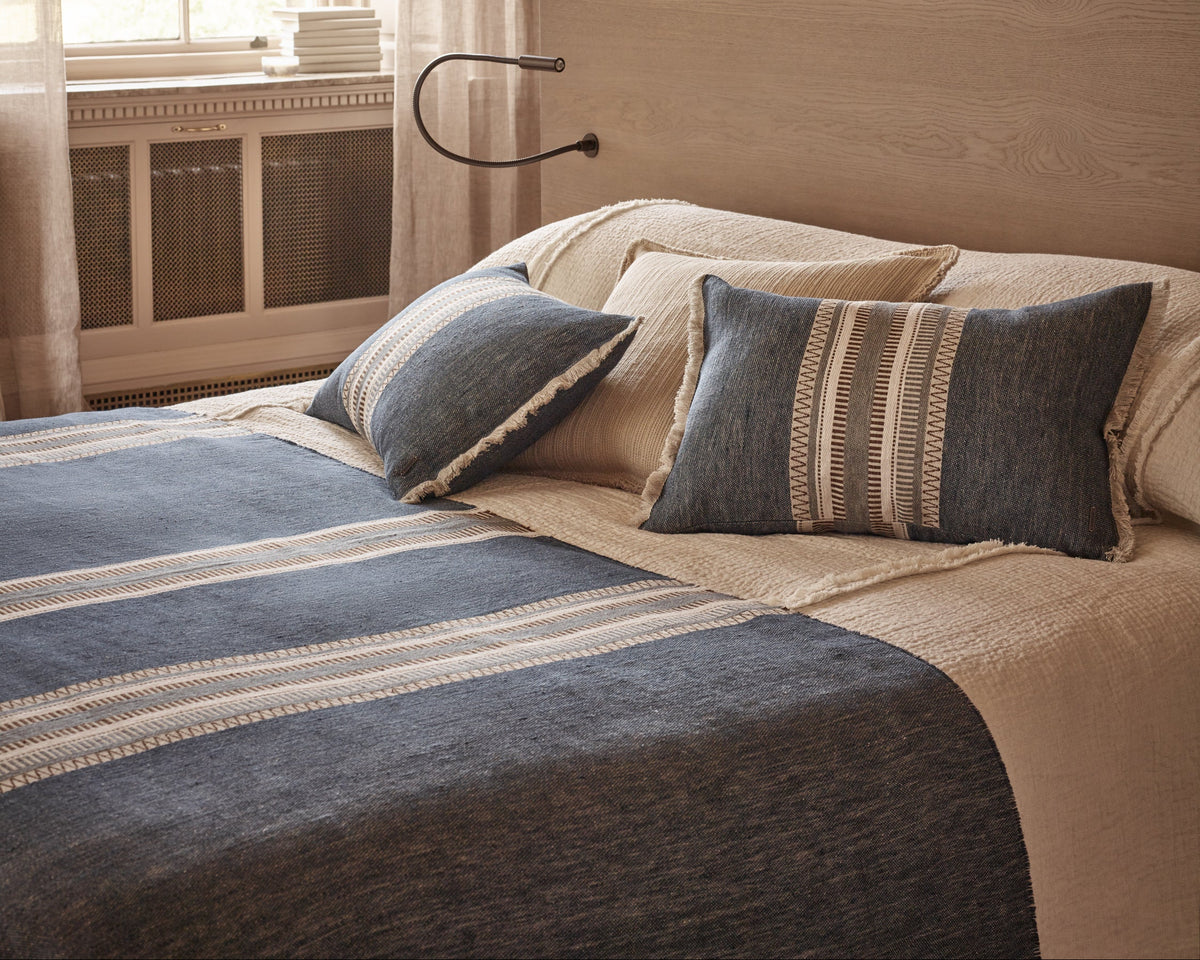


ONLY THE FINEST FIBRES
At de Le Cuona, we continually push the limits of what is possible through human skill, craftsmanship and innovation to create exquisitely understated fabrics from some of the world's finest natural fibres, including flax, hemp, cashmere, wool, alpaca and silk.
FROM FIELD TO FABRIC
Bernie de Le Cuona and her team work closely with specialist mills to understand the origins of the natural fibres used throughout the collection. Fibre provenance, quality and craftsmanship have been central to the de Le Cuona philosophy from the very beginning.
Bernie was among the first to introduce GOTS-certified 100% organic linen collections to the interiors market, reflecting her long-standing interest in exceptional fibres and innovative textile development.
"Linen was where my journey with fabrics began. Its beauty, versatility and unique character continue to inspire me, and it remains a fibre I return to time and again when designing my collections." Bernie de Le Cuona, Founder, CEO and Creative Director


FLAX
Flax is one of the oldest textiles known to man, dating back to the ancient Egyptians. It is a luxurious natural fibre valued for its strength, durability and versatility. Textures range from the raw and robust to the most refined.
Linen is made from the outer fibres of the flax plant. At de Le Cuona, we use carefully selected Belgian and French flax fibres renowned for their quality.
The Flanders region is particularly well known for flax cultivation due to its climate and growing conditions.
The length of the fibre contributes significantly to the quality of the finished linen. Longer fibres create smoother yarns with fewer joins, resulting in refined, high-quality fabrics.
To ensure consistency and quality, specialist spinners blend flax from different fields, regions and harvests. Through careful fibre selection and expert spinning, de Le Cuona creates some of the most luxurious linen fabrics available today.
We work with mills that maintain close relationships with growers and artisans throughout the production process, from cultivation through to weaving and finishing. Many of our suppliers are members of organisations such as Masters of Linen and Masters of Flax Fibre and comply with REACH regulations.


HEMP
Hemp has a rich textile history stretching back thousands of years and was used extensively by ancient civilisations for clothing, rope and household goods.
Hemp is valued for its strength, durability and distinctive character. It produces long plant fibres which can be woven into fabrics with exceptional texture and depth.
Hemp fabric is made from the outer fibres of the hemp plant, which can grow to over two metres in height. While hemp shares some characteristics with flax, it requires additional processing before spinning, contributing to its distinctive appearance and handle.
Although less commonly used in interiors than some other fibres, hemp has become increasingly appreciated for its durability, versatility and unique aesthetic qualities.


LINEN AND HEMP: FIBRE CHARACTERISTICS
Linen and hemp are two of the most distinctive natural fibres used within the de Le Cuona collection.
Both fibres are valued for their strength, texture and versatility, offering a wide range of applications across upholstery, curtains, accessories and decorative furnishings.
The character of linen and hemp evolves over time, developing softness while retaining their unique visual appeal. These qualities, combined with expert weaving and finishing techniques, make them enduring favourites within interior design.
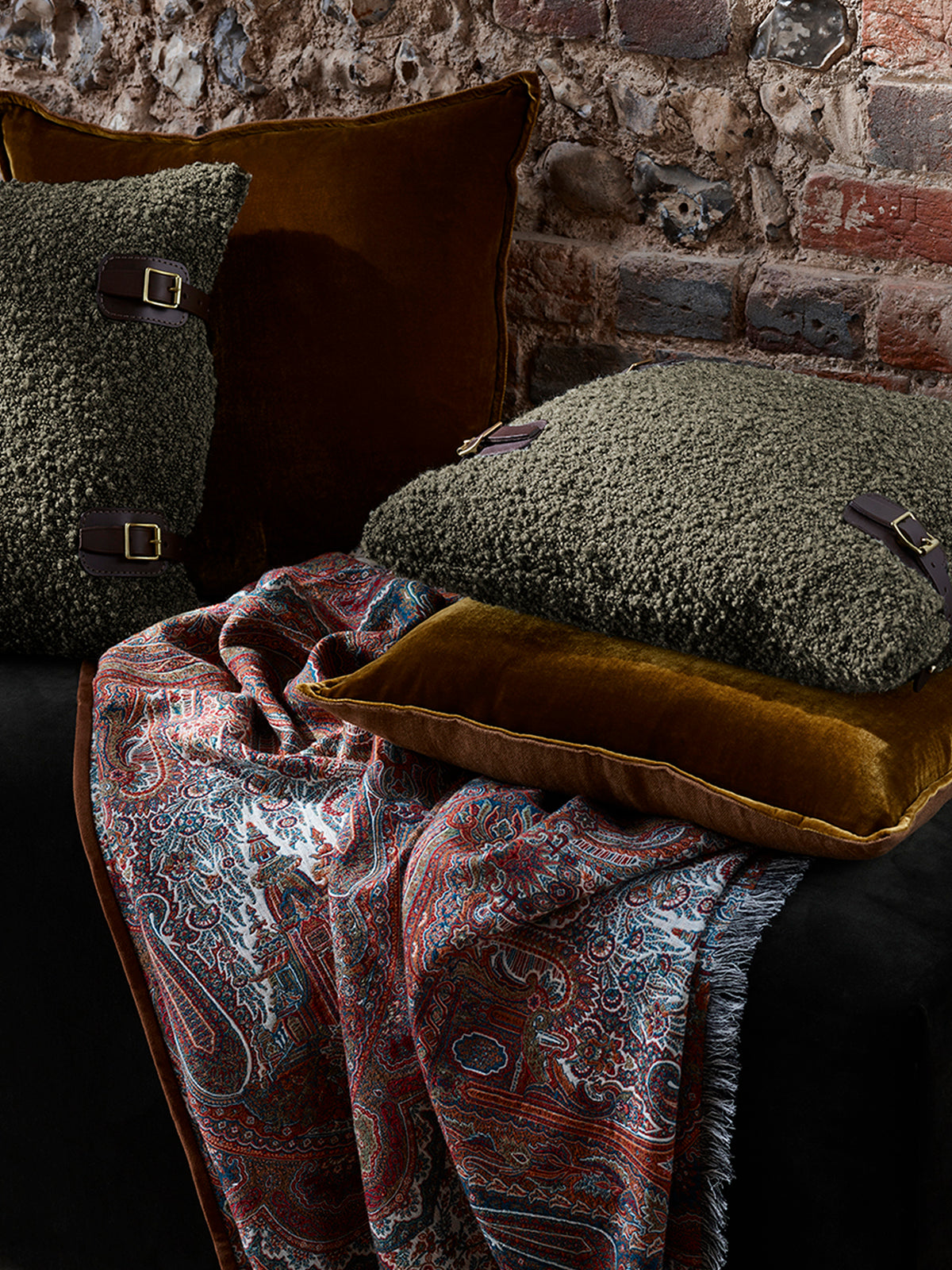
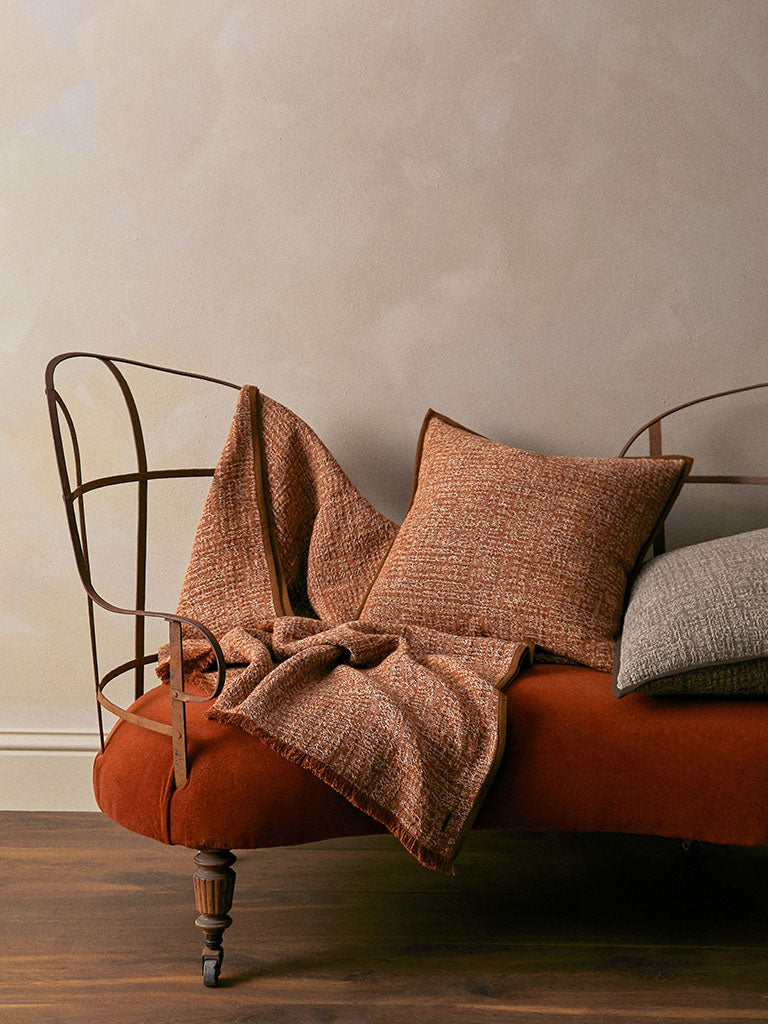
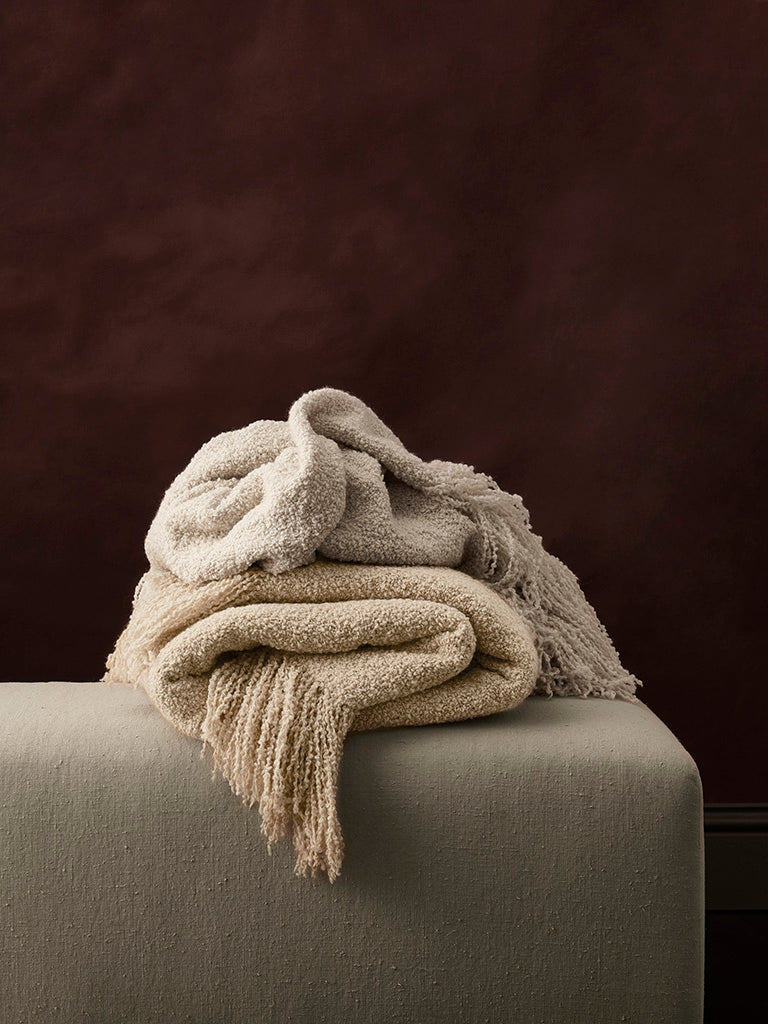
LIFESTYLE BENEFITS OF LINEN AND HEMP
Linen and hemp are durable and versatile natural fibres that work beautifully across upholstery, curtains and home accessories.
Both fibres are known for their breathability, absorbency and comfortable handle. Their natural texture and performance characteristics make them particularly well suited to contemporary and classic interiors alike.
WOOL, CASHMERE, LLAMA AND ALPACA
Wool, cashmere, llama and alpaca are natural fibres obtained from the fleece of animals. Sheep, llamas and alpacas are typically shorn annually, while cashmere fibres are collected during the seasonal moulting period of cashmere goats.
These fibres are prized for their warmth, softness, comfort and longevity. Their unique characteristics allow designers to create fabrics ranging from lightweight sheers to richly textured upholstery.
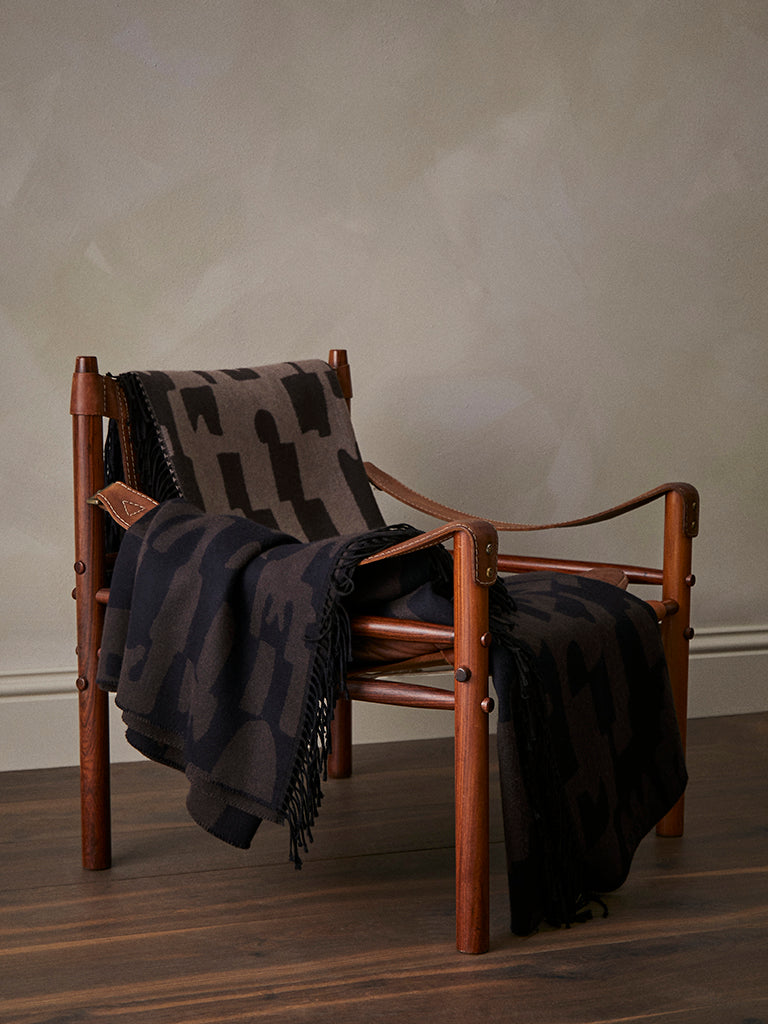

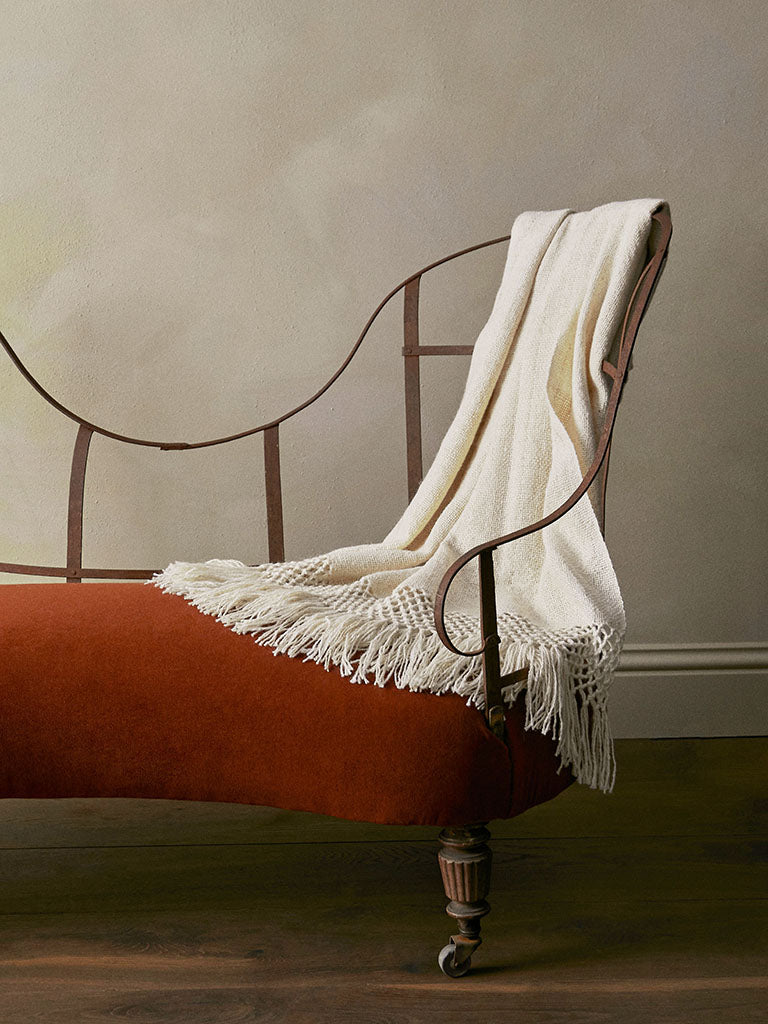
WOOL
The earliest reliable evidence of wool textiles dates back to the fourth millennium BCE. Throughout history, wool has remained one of the world's most important textile fibres.
There are more than 1,000 sheep breeds worldwide. Breeds such as Merino produce exceptionally fine fibres, while others create stronger, more robust yarns suitable for heavier fabrics and upholstery.
Our wool collections include pure Merino wool, virgin wool and luxury blends incorporating linen and silk. These fabrics range from richly textured upholstery qualities to elegant sheers and tailored decorative cloths.


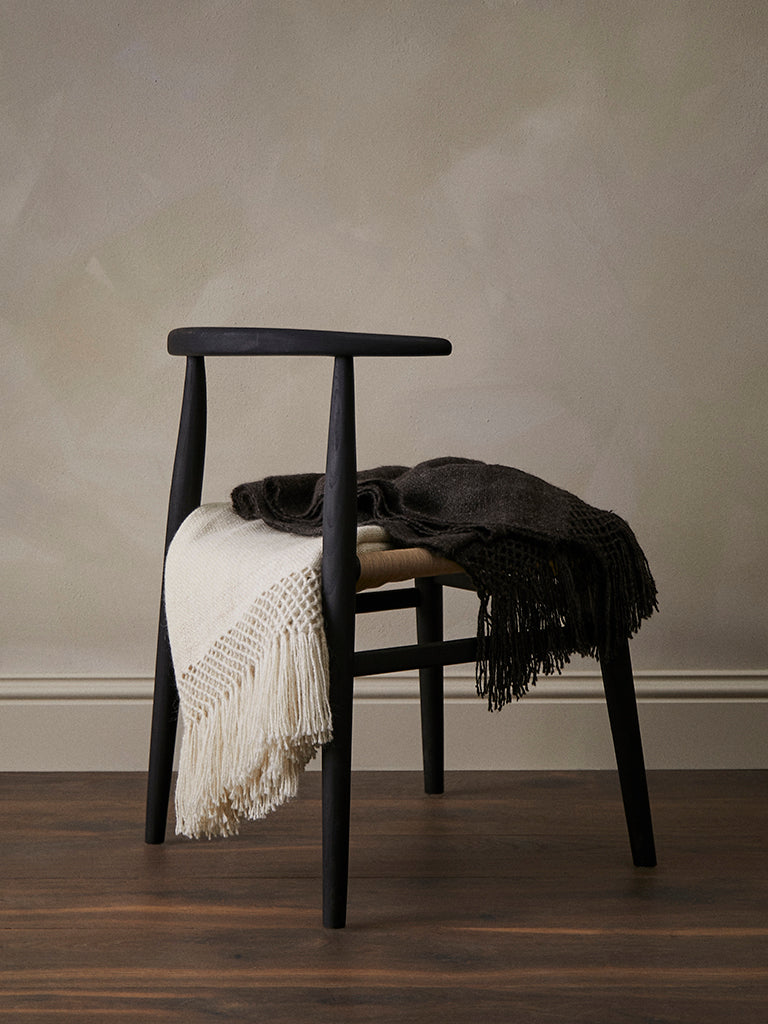
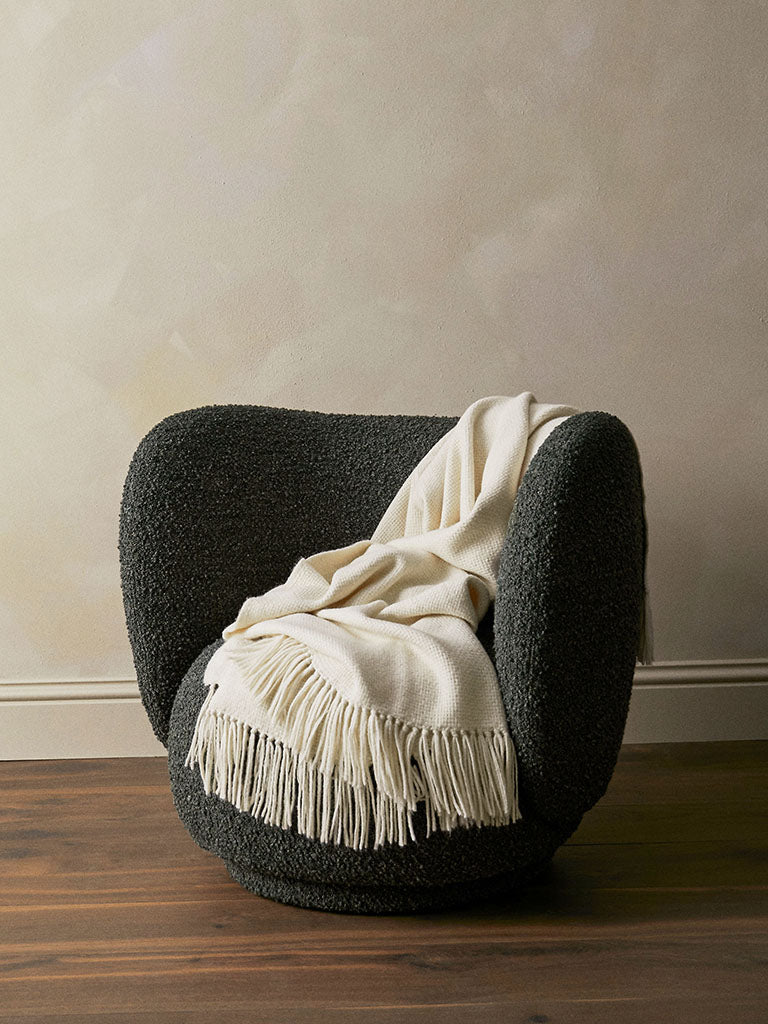
LLAMA AND ALPACA
The domesticated llama is descended from the guanaco, while the alpaca originates from the wild vicuña. Both animals are native to the South American Andes.
Alpaca fibre is renowned for its softness and refinement and is often compared to cashmere. There are two principal alpaca breeds: Huacaya and Suri. Huacaya alpacas produce soft, crimped fleeces, while Suri alpacas are known for their lustrous, silky fibres.
Because alpaca fibre is exceptionally soft and contains no lanolin, it is often chosen for its comfort and luxurious handle.
The finest alpaca fibre is known as Baby Alpaca, sourced from the softest fibres found within the animal's fleece.
CASHMERE
Considered one of the world's most luxurious natural fibres, cashmere is highly prized for its softness, warmth and rarity.
Its name derives from Kashmir in the Himalayas, where cashmere goats developed thick undercoats to withstand extremely cold temperatures. The finest fibres are gathered during the goats' natural moulting period each spring.
The fibres undergo careful selection to retain only the longest and finest hairs. Cashmere fibres are significantly finer than human hair, and each goat produces only a small quantity each year. These factors contribute to cashmere's exceptional quality and desirability.
SILK
Silk has been one of the world's most treasured textile fibres for centuries. Its natural lustre, elegant drape and refined handle continue to make it one of the most sought-after fibres in luxury interiors. Silk is produced by silkworm caterpillars, which create protective cocoons from long, continuous filaments. These filaments are processed and twisted into yarn before weaving.
Peace Silk is produced only after the moth has emerged naturally from the cocoon. Because the continuous filament is broken during this process, the fibres must be spun into yarn, creating a distinctive texture and character. The additional time and reduced fibre yield associated with Peace Silk contribute to its rarity and value. Discover our Peace Silk collection, including Jungle Silk.
The most common form of silk is Mulberry Silk, which accounts for the majority of global silk production.
Tussah Silk, often referred to as wild silk, is harvested from the cocoons of wild silkworms found in India and South Asia. It is known for its distinctive texture and beautiful natural shades of cream, gold and brown. Its unique appearance and character make Tussah Silk an enduring favourite within luxury interiors.